We have seen a wonderful reactivation of the charismatic dimension of the Church. It started in a particular way in the Catholic charismatic renewal, and the purpose of this renewal was to awaken us all to the reality of the Holy Spirit and the gifts that He wants to make available to everyone today. Some of the gifts of the Holy Spirit are more unusual and have not been experienced very widely until now. I am speaking particularly of the gifts of healing and deliverance from evil spirits—healing of body and soul and deliverance from evil spirits. Those who have experienced the reality of these gifts can sometimes get quite enthusiastic about them and sometimes overpromise what they can do and underdeliver in what happens. It is important to put in perspective healing and deliverance with the overall goal of the Christian life.
One of the things we need to realize is that everybody who is healed and delivered on this earth dies. The only healing from the ultimate illness of death is resurrection from the dead, and the only way people can be resurrected from the dead is to be part of Jesus’ own resurrection, to be united to Jesus’ death so we can also rise with Him. Sometimes we can get so focused on improving life in this world—psychological healing, inner healing, healing of the body, removing of obstacles and blockages to experience the love of God, and deliverance—we can forget that, as good as those gifts are, the real goal is not healing and deliverance on this earth. As much as it’s possible, we should welcome those gifts, but the real goal is salvation. So, let’s take a realistic and faith-filled look at these gifts.
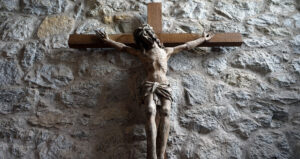
Firstly, it is true that when somebody is sick, we should pray for them to get healed, unless the Lord shows us that that is not his will. I know some people say you should believe every person is going to get healed, that God is going to heal everybody, and you should pray with faith. It is true that we should hope, wish, and pray for physical healing, but Jesus Himself knew that He had to defer to God’s will when He prayed. Talking about his crucifixion, He said, “Father, this is going to really hurt—please take it away. If there is another way, please let me have that way, but not my will but your will be done.” So, we must be sensitive to pray for what we would wish for somebody, but we also must be sensitive to what God’s will is for the person.
In Fatima, various people would ask Lucia to tell Mary their intentions. Lucia would respond and tell them that the person is not going to be healed until they repent, or she would say this person is not going to be healed, but he is going to have enough ability to make a living for his family, even though he has this handicap. These are just individual glimpses into the will of God for people and how it is personal and custom-made. Therefore, we need to be aware of that when we are praying for healing and deliverance.
Father Donald Hagerty, a wonderful priest and spiritual writer from New York City, has written several books on the spiritual life, and he says he is a little concerned about the therapeutic mentality beginning to blur the eternal perspective that we all need for life on this earth. He says in his book The Hour of Testing, “It’s a far greater thing to become holy than to become healed. The bodily sufferings that are not removed from us invite us over time to this holiness.” Paul himself prayed for the thorn in the flesh to be removed. The Lord does not always remove it, but because of the weakness of having a thorn in the flesh, because of the pain, annoyance, and limitation it places on you, the power of the Lord is going to stand out more clearly in the midst of your weakness. Dependence on the Lord is so important, and sometimes physical illness or other kinds of handicaps can really help us learn how to depend more on the Lord.
Jesus teaches us about keeping these gifts in right perspective. In Matthew chapter 7, He says, “Not everyone who says to me, ‘Lord, Lord,’ shall enter the kingdom of heaven, but he who does the will of my Father who is in heaven. On that day many will say to me, ‘Lord, Lord, did we not prophesy in your name, and cast out demons in your name, and do many mighty works in your name?’” (Mt 7:21-22) Those are all wonderful things, but it is possible to experience God’s power working through us to do those things and not really be doing his will.
Jesus then says, “I never knew you; depart from me, you evildoers.” (Mt 7:23) How could Jesus say that? They did not enter into relationship with Him. They were not attentive to his will. They were not prioritizing doing the will of God in their lives. They were not emphasizing, valuing, or interpreting the fact that He is doing these wonderful things through them.
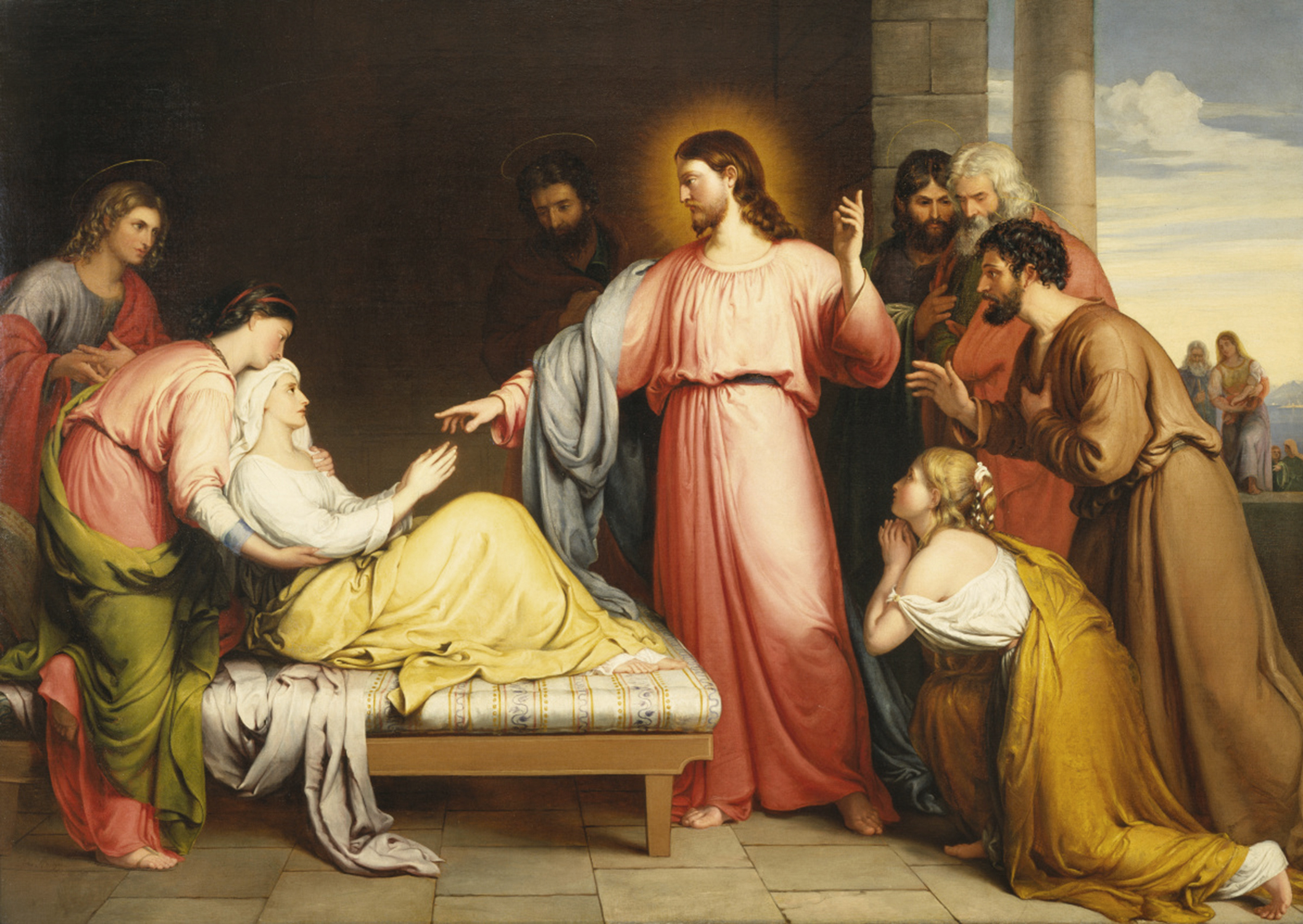
In Luke chapter 10, Jesus is sending out his Apostles to do some of the same things He did. Now, why was Jesus doing miracles, healing, and casting out demons? He wanted to show people that the kingdom of God was amongst them in Him. He wanted people to come to faith in Him, to repent, and to follow Him as disciples. Miracles are not an end in themselves. They are primarily a sign of the one who is doing the miracles, the Lord Himself, and He’s calling us into relationship through them.
Jesus wants us to put things in proper perspective. He wants us to understand that the goal of healing and deliverance is to know mercy and goodness for this life, but even more it’s an invitation to recognize the one who can give us eternal life.
As wonderful as the rediscovery of the charismatic dimension of the Church is and as wonderful as the charismatic gifts of the Spirit are, even more wonderful is the teaching about eternal salvation. Even more wonderful is keeping in perspective the earthly good and the eternal good. Without taking anything away from our gratitude or our desire for the earthly blessings of healing and deliverance and how important they are to freeing people to follow the Lord, we need to understand that the purpose of all of these things is indeed to free people to follow the Lord and become a disciple. They are going to get sick again. They are going to die from something else, and it is really important that they die in friendship with the Lord. We need to help them to understand that. That is the purpose of life, the purpose of healing and deliverance, and the purpose of preaching the gospel—to enter into a saving relationship with the Lord.
This article is condensed from Ralph Martin’s YouTube video of the same title, which can be viewed here.
 rmartin@renewalministries.net
 Download Headshot 1 (JPG, 2MB)
 Download Headshot 2 (JPG, 2MB)
 Download Biography (PDF, 65KB)





















0 Comments